
 ไทย
ไทย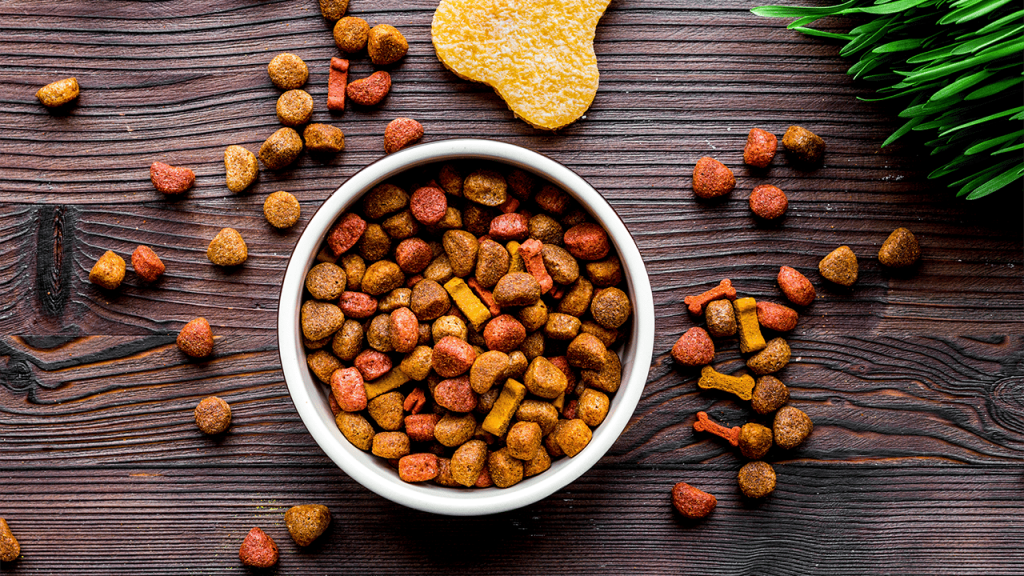
Pets and humans have a long-standing bond, serving both as a means of labor and for enjoyment. This has led to significant growth in the pet-related market. Statistics show that Thais spend over 12,000 baht per year on pet care, and one of the fastest-growing markets currently is the pet food market.
The trend in pet food care is constantly evolving and developing. From cat treats that many people carry around when they encounter their feline companions on the street, to nutritional advancements like adding Omega-3 or ginkgo to improve memory, while pets seem to benefit from this, owners also find joy in giving. This has driven the market to continuous growth.
Ekkarat Pannasang, Managing Director of Asian Alliance International Public Company Limited, a major contract manufacturer of pet food in Thailand and globally, and owner of the Monchou brand , revealed to Thairath Money that the pet food business will experience significant growth in the next 3-5 years. This is especially true for wet pet food, or cat treats, which cater to the strong bond between pet owners and their pets, enhancing the joy of pet ownership.
“Wet pet food meets the needs of buyers or pet owners. Wet food doesn’t provide more nutrition than dry food, but it also brings joy to the owners, which is a global trend,” Ekkarach said. In terms of nutrition, dry kibble and wet pet food have very similar nutritional value. However, when we mix dry kibble with wet food, the difference in appearance, taste, and texture makes pets more willing to eat.
Pet Food has gone further than you might think.
The market showing strong growth is wet pet food, particularly cat food. It has undergone significant advancements. Previously, pet food focused on taste, such as liver or meat flavors, but that’s no longer the case. Ingredients like hydrolyzed protein, ginkgo kibble (which aids memory development), keratin extract, and omega-3 fatty acids are now incorporated to maximize benefits for pets. In addition to developing the appearance, such as making cat food resemble panna cotta, even though ultimately we have to mash it up to make it easier for our pets to eat, this will help make pet owners happier.
However, with these trends, AAI must respond to market demands. We need to constantly develop new products. AAI’s R&D team has a KPI of releasing at least one new product per day because the market is constantly evolving with new demands. This requires adjustments to taste, appearance, and packaging. Wet food, being a premium product, demands continuous market development.
AAI’s Profit Decreased Due to Inventory Problem
AAI’s recent performance may not have been good. Ekkarach noted that since listing on the stock exchange in 2022, revenue in 2023 was 382 million baht, a decrease from 859 million baht in 2022. This is primarily due to a decline in product orders.
Because manufacturers, or OEM factories, faced the problem of overstocking due to the impact of the Covid-19 pandemic. Customers had huge inventories due to stockpiling and concerns about Covid, which affected shipping lines, increased transportation costs, and prevented export containers. Now that the situation has eased, customers are choosing to clear their existing stock.
Orders started to return in the third quarter of 2023, leading us to believe that orders will return to normal levels in 2024. Furthermore, the animal feed industry is projected to grow at an average rate of 5-10% annually in 2024, with continued growth in international markets across all segments, including China, the Middle East, and Europe.
“The market in Thailand continues to grow. Thais are adjusting their pet care practices, using more feed and providing proper nutrition. The trend in Thailand is also seeing an increase in pet owners on TikTok, with pet owners becoming influencers and generating income from their pets, driving domestic market growth. We aim for 19% sales growth in 2024 compared to the previous year.” In terms of production capacity, the company currently has a capacity of 56,000 tons per year, and it is steadily recovering, with utilization at 55-60%. The proportion of wet food has increased, rising from 20% to 30%. Looking ahead, we plan to expand the factory to double our production capacity.
Regarding cost management, the original tuna price was very volatile, so we increased the supply of new raw materials such as chicken meat and others. The tuna price had previously risen to $2,100 per ton before falling to around $1,500 per ton. As for the Monchou brand, the results are still unsatisfactory and require continued marketing efforts. The goal is to capture 10% of sales, or approximately 1 billion baht per year, but further development is needed to achieve further growth. Ekkarat believes that AAI has likely passed its lowest point and that this presents an opportunity for the company to return to growth, given that the animal feed market remains a key megatrend.
Read more at: https://www.thairath.co.th/money/investment/capital_market/2791726