
 ไทย
ไทย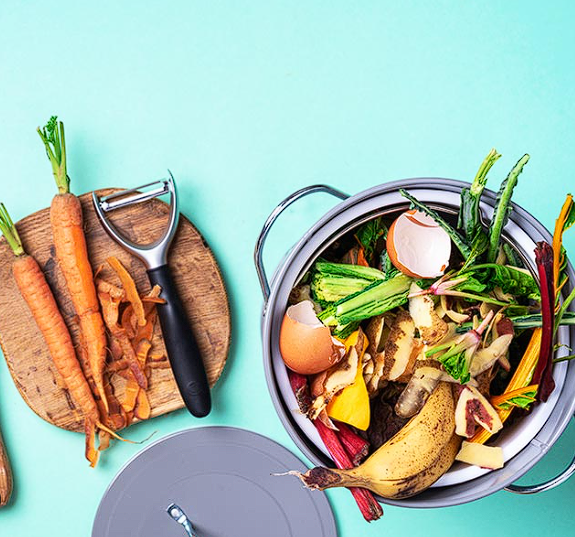
Upcycling food is the process of taking raw materials that would normally be discarded, such as substandard produce or industrial by-products, and transforming them into new, valuable food products to reduce food waste. This concept directly reduces the environmental impact, particularly the greenhouse gas emissions such as methane, which are generated from food waste that is sent to landfills. The international standard “Upcycled Certified” was created by the Upcycled Food Association (UFA) to certify products and build consumer confidence in their transparency and sustainability.
Billions of tons of food are wasted around the world every year, causing enormous environmental, social and economic impacts. Amidst this challenge, a revolutionary idea is gaining traction: “ upcycled food ”.
Food upcycling is the process of turning waste materials that would normally end up as waste into high-quality, nutritious products. From unsold produce to by-products from the food industry, such as spent grains from brewing beer or pulp left over from juicing, these items are recycled to create new food products, all through a verifiable supply chain for safety and traceability.
The US Environmental Protection Agency (USEPA) estimates that this method is as effective as donating or distributing food to restaurants and shelters in reducing the environmental impact of the food system. After all, discarded food can create harmful greenhouse gases, such as methane, if left to rot in landfills.
Additionally, Amanda Enbring, CEO of the Upcycling Food Association (UFA), highlighted the importance of this movement and how it can transform the food industry. UFA has established a common definition for upcycled food and launched Upcycled Certified, the first global certification standard to ensure transparency and trust in upcycled products.
Upcycled Certified gives consumers confidence that the products they choose are sustainable and have a positive impact, while supporting companies that prioritize transparency and responsibility,” said Enbring.
“We have established a common approach to defining upcycled food as one that uses ingredients that humans might not otherwise consume, is sourced and produced through a verifiable supply chain, and has a positive environmental impact,” Enbring added. “Working with partners like Harvard Law School, ReFED, Drexel University, the Wildlife Fund, and the Natural Resources Defense Council, we are working to define upcycled food as one that uses ingredients that humans might not otherwise consume, is sourced and produced through a verifiable supply chain, and has a positive environmental impact.”
According to ReFED, 30-40% of food produced globally is lost or wasted. In 2023, the US alone produced 91.2 million tons of excess food, and much of it ends up as food waste, ending up in landfills, incinerated, drains or left on farms.
Similarly, according to independent climate action organization Project Drawdown, food waste alone accounts for around 8% of global greenhouse gas emissions, while wasting key resources like water, energy and land in food production. But upcycling helps to make the most of all resources, from water, fertilizer, energy, and even the leftover crops that farmers already grow, all of which are revived to be consumed again, rather than discarded.
At the same time, upcycling reduces the amount of food waste sent to landfills, which in turn reduces methane emissions, a potent greenhouse gas that can help curb climate change.
Upcycling isn’t just an environmental strategy, it’s also accelerating a lot of food innovation. Companies like Voyage Foods and Atomo are breaking new ground, with cacao-free chocolate and coffee offering practical and sustainable options. Blue Stripes is turning cocoa byproducts into consumer-friendly ingredients, unlocking new untapped potential in food production.
All this, thanks to innovative drying, grinding and processing technologies, allows us to produce safer, more sustainable upcycled products that meet stringent food safety standards while maintaining their nutritional value and optimum quality.
Meanwhile, consumer awareness is key to driving the upcycled food movement. UFA is actively educating the public about the environmental benefits of choosing upcycled products through various campaigns, emphasizing the positive impact of reducing food waste and showcasing innovative upcycled products, from snacks and beverages to pet products and cosmetics.
However, the amount of recycled ingredients a product contains will affect its sustainability credentials. Of course, there is a limit to the number of recycled ingredients that can be added to food before they affect the color, taste or aroma of the final product. It is important to strike a balance.
According to the US Upcycled Food Certification Standards, products must contain at least 10% recycled ingredients by weight to be certified as upcycled. Even though upcycled foods contain used ingredients, which may not cost much, the producers are often small startups with high production costs, which means they have to sell at a high price. Consumers may question the value, be reluctant to pay more, and question whether the products are truly upcycled.
One way to address this issue is through life cycle assessments, which measure a product’s environmental impact from production to disposal. Manufacturers can do this to build consumer confidence and support their claims with evidence.
If we want recycled food to become more widespread and reduce waste, we need to ensure consumers are not deceived. If consumers trust, value and understand these products, they are more likely to succeed in the marketplace.
Read more at: https://www.bangkokbiznews.com/environment/1203486